

Where in the World is My Camera?
Portugal - Grotto

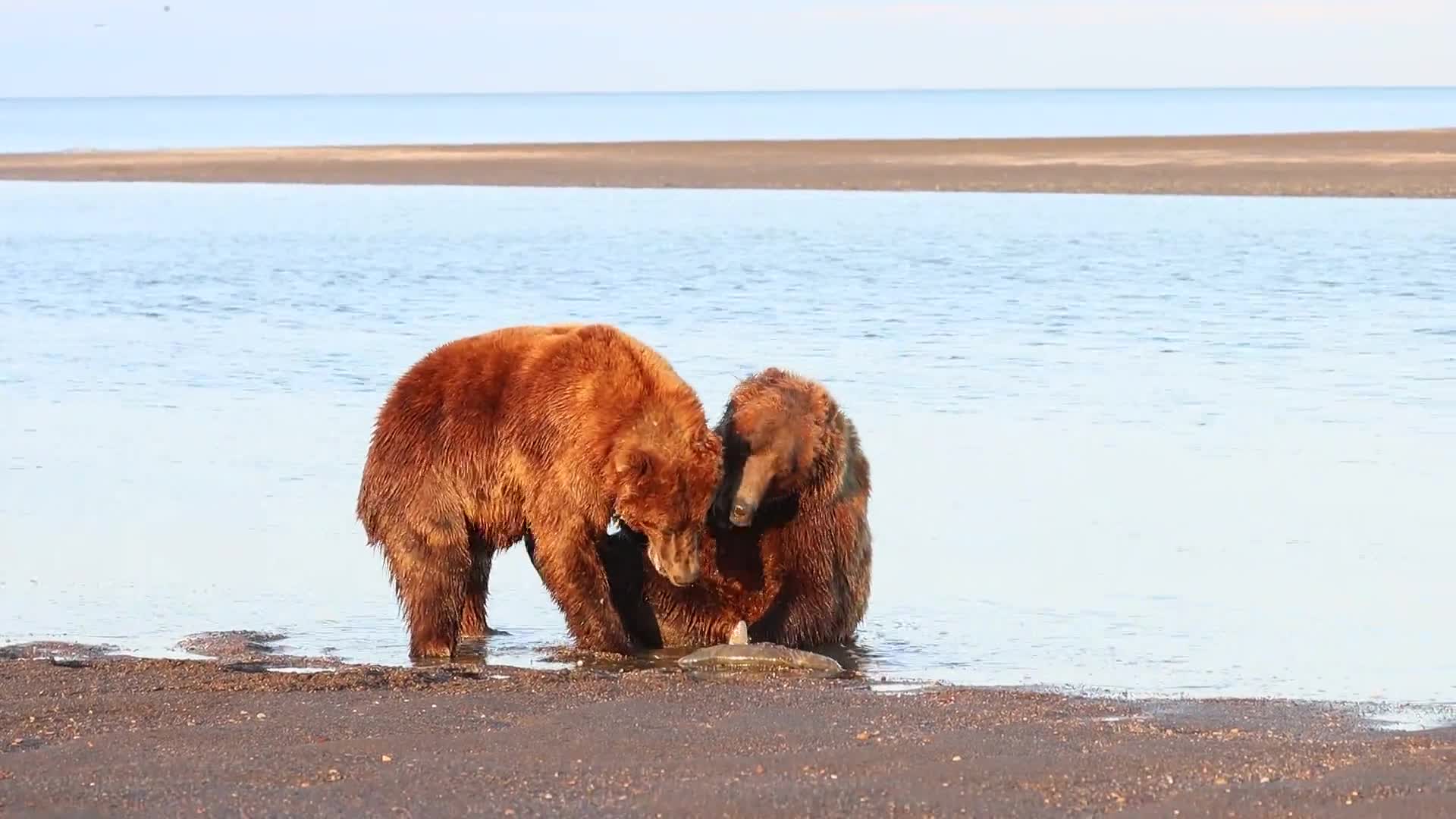
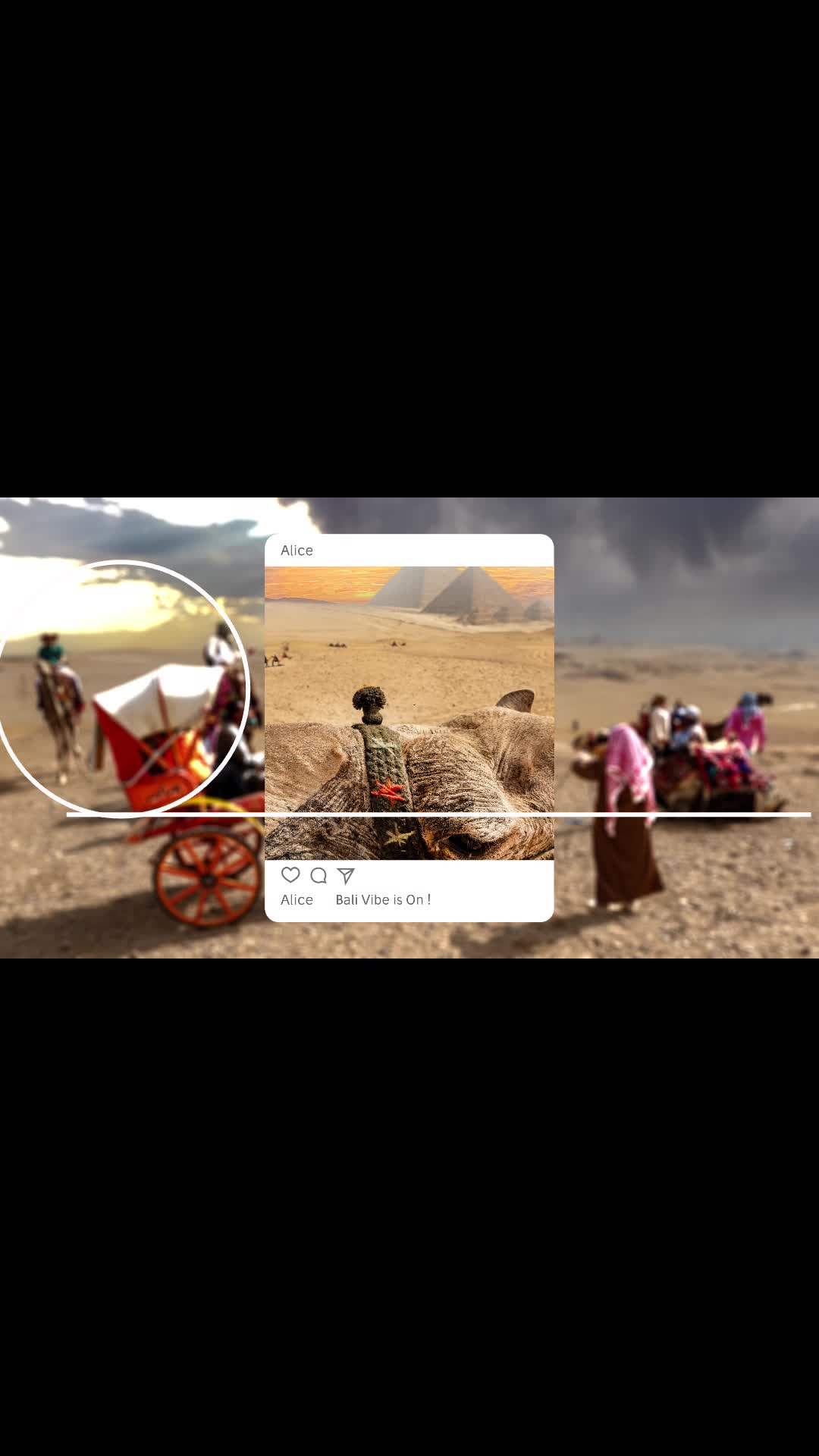
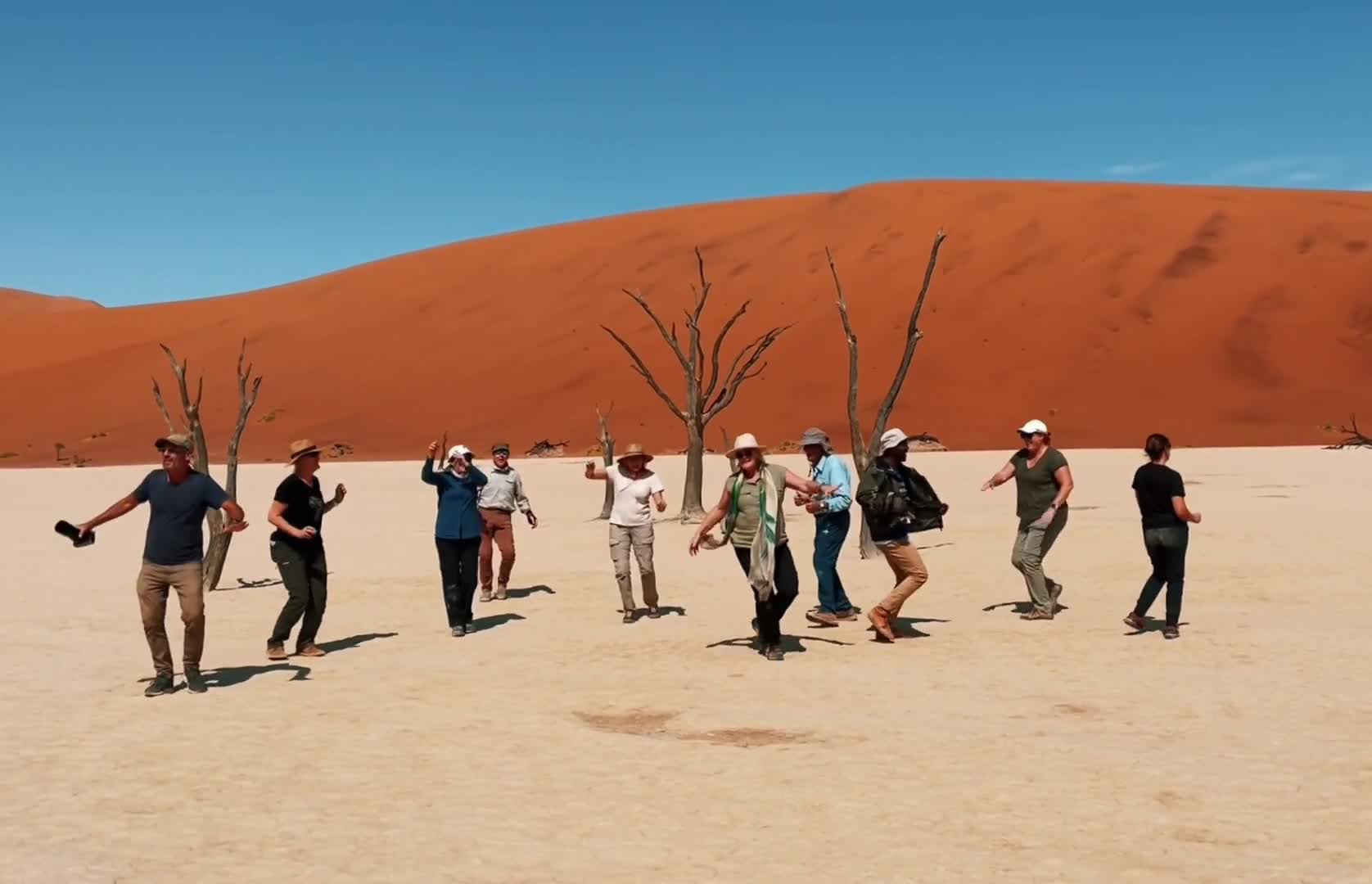
Click on the Map’s Location Pins to find out or simply select the video below. Enjoy!






Where are you thinking of traveling next — and what’s drawing you there?
I’d love to hear what’s on your travel radar or answer any health-related questions you may have before you go.
Drop a comment below.

Traveled to Yosemite National Park Recently?
Moon Bow - Yosemite National Park 1AM

The Moon Bow - Yosemite National Park
So you are back from a great vacation at Yosemite National Park in California. You had a wonderful vacation, and you stayed in these tents on the campgrounds. It’s been about 2 weeks since you came back but your 10-year-old daughter is not feeling well.
She is aching and has a low-grade fever. You tell her to rest and give her a couple of acetaminophen (Tylenol) . In spite of her treatment , she is not getting better and you continue to give her Tylenol. She now has a headache, is nauseous and starts vomiting. She is tired, wants to go to bed. Her belly hurts and does not want to eat or drink anything. She is getting weaker. Her pulse is low. You check the internet but cannot finds what she has. You think that she has a simple “cold” and that she will be getting better.
However, now she is sleepy, has trouble breathing, you decide now to take her to the emergency room, and they noticed that she has a whole bunch of small, red spots all over her skin. You notice that these spots are in her belly in the inside of her mouth and even on her eyelids. She is admitted to the hospital. She is receiving intravenous fluid as her blood pressure is dropping, and she is not going to pee. She is now transferred to the Pediatric intensive care unit and put on antibiotics.
In spite of aggressive treatment, she is getting worse. The health care provider notices that she has swollen nodes in her neck area and arm pits. They are now calling an infectious specialist who ask the surgeon to see what these lumps in her neck are all about. She is taken to the operating room and they get a sample of her node. They send it for further examination. The pathologist reports that what they see is evidence of the Hantavirus.
Unfortunately, she got worse, her lungs got filled with water and she got sicker and became unresponsive and passed away. When asked about any past travel, the parents mentioned that they were camping in Yosemite National Park in California. The doctors stipulated that most likely got contaminated from either the urine or the dust of rodents frequently found in this National Park.
Just like Gene Hackman’s Wife who recently passed away in New Mexico from the Hantavirus, although rare, this occurs when food is contaminated by mice urine or can be in the air from contaminated dust. This does not go from human to human [no human-to-human transmission] so no one else in this unfortunate family got sick or will get sick because of their daughter getting sick.
How to avoid getting Hantavirus: keep food in closed and secured containers, make sure your habitat is free of mice. What to do if you think you came into contact with contaminated food or dusty air that may have had mice droppings: get immediate care, tell your provider that you are worried about Hantavirus. The earlier you seek treatment the better your chances of survival.

How to Choose a Destination? A Doctor’s Guide to Planning the Right Trip for You
How to choose where to travel.
Whenever I plan a new journey, I don’t just look at the photos — I think about how the trip will feel. As a physician who’s traveled across six continents, I’ve seen firsthand how your health, experience level, and personal needs can shape your travel choices. Whether you're chasing adventure or simply craving rest, the right destination isn’t just beautiful — it should support your well-being. In this guide, I’ll walk you through the same questions I ask myself and my patients when planning a meaningful, health-conscious trip.
By Dr. Jean-Claude Veille
🌍 1. Health Considerations
Before anything else, think about your current health and the medical realities of your destination.
Are your routine and travel-specific vaccines up to date?
Will you need medications for altitude, malaria, or jet lag?
Do you have a condition that requires reliable healthcare access nearby?
Are you physically prepared for the terrain or climate?
Example: Trekking in Nepal can be life-changing — but if you have asthma or cardiac issues, high-altitude regions require extra preparation.
🧭 2. Experience Level
Your comfort and confidence as a traveler matter more than you might think.
First time abroad? Consider destinations with great infrastructure — like Japan, Portugal, or Costa Rica.
Are you a seasoned traveler looking for something off the beaten path? Places like Namibia or Bhutan offer unforgettable experiences, but they require more planning and flexibility.
Nervous about language barriers, transportation, or food safety? Choose places with strong tourism support and English-speaking medical providers.
Tip: The best trip for you is the one that stretches you without overwhelming you.
🧳 3. Type of Travel
Who you're traveling with — and how you want to feel — makes a huge difference.
Are you traveling on your own, with a partner, kids, or elderly parents?
Are you exploring new adventures with a small group of friends?
Will you consult a well-established and reputable travel agency such as Gate1 Travel or other award-winning travel experts such as Audley Travel or Travel Zicasso?
Do you want connection and culture, or solitude and silence?
Will you be moving frequently, or staying in one place?
Example: A week in Tuscany might be perfect for couples or seniors, while families might thrive at an all-inclusive in Belize with built-in activities and medical access.
🗓️ 4. Timing and Season
The calendar matters more than you think.
Research seasonal health concerns: monsoons, extreme heat, wildfire smoke, or allergy triggers.
Consider how weather affects your own body — especially if you have respiratory conditions, joint pain, or immune sensitivities.
Be mindful of flu or dengue seasons in certain regions.
Tip: Sometimes shifting your trip by just one month can mean safer conditions and fewer health hassles.
🌐 5. Current Events and Entry Requirements
Global events change fast — stay current to avoid surprises.
Check CDC and WHO travel health advisories.
Research entry requirements: vaccination records, visas, or proof of insurance.
Understand local healthcare capacity in case you need support while abroad.
Reminder: The world is always changing — so even if you’ve been somewhere before, check again before you return.
✅ Final Thought from Dr. Veille:
No destination is perfect, and there’s no one-size-fits-all trip. But when you choose your next adventure with your body, mind, and lifestyle in mind — travel becomes not just enjoyable, but healing. Thoughtful travel isn’t about limiting where you go. It’s about expanding how fully you can experience it.
💬 Join the Conversation:
Where are you thinking of traveling next — and what’s drawing you there?
I’d love to hear what’s on your travel radar, or answer any health-related questions you may have before you go. Drop a comment below — or send a message through the Member Hub if you're subscribed.